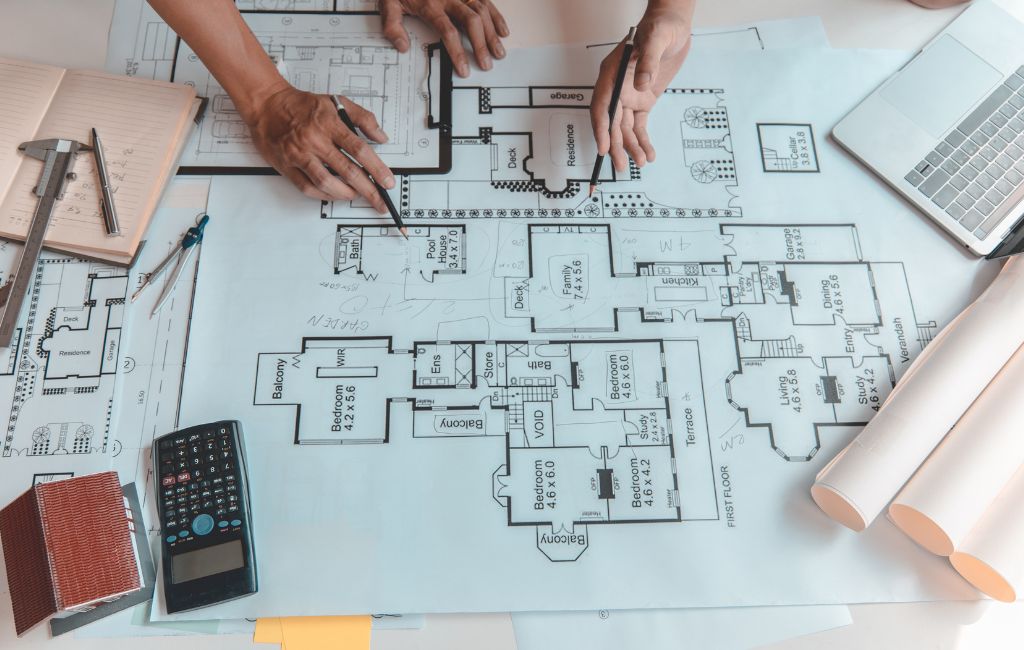
Interior Architect Design Inspirations
Interior Architect Design Inspirations
Interior architecture is a dynamic field that blends creativity with functionality, transforming spaces into aesthetically pleasing and practical environments. This article explores various inspirations that drive interior architects to create stunning designs, offering insights into the latest trends, innovative ideas, and timeless principles.
Understanding the Role of Interior Architecture
Interior architecture goes beyond mere decoration. It involves the thoughtful planning and design of interior spaces, considering structural elements, spatial planning, and user experience. This discipline requires a deep understanding of both architecture and interior design, ensuring that spaces are not only beautiful but also functional and sustainable.
Current Trends in Interior Architecture
Staying updated with current trends is crucial for interior architects. These trends often reflect broader societal changes and technological advancements. Here are some of the most influential trends shaping the field today:
- Biophilic Design: This trend emphasizes the connection between humans and nature, incorporating natural elements like plants, natural light, and organic materials into interior spaces.
- Sustainable Design: With growing environmental awareness, sustainable design practices are becoming more prevalent. This includes using eco-friendly materials, energy-efficient systems, and designs that minimize waste.
- Smart Homes: The integration of technology into home design is on the rise, with smart systems that control lighting, temperature, and security becoming standard features.
- Minimalism: A focus on simplicity and functionality, minimalism involves clean lines, open spaces, and a limited color palette to create a serene environment.
Inspirational Case Studies
Examining successful projects can provide valuable insights into effective interior architecture. Here are a few noteworthy examples:
The Edge, Amsterdam
The Edge is a prime example of sustainable design. This office building is known for its energy efficiency, utilizing solar panels, rainwater harvesting, and smart technology to create a self-sustaining environment. The design prioritizes natural light and open spaces, promoting a healthy and productive work atmosphere.
Fallingwater, Pennsylvania
Designed by Frank Lloyd Wright, Fallingwater is a masterpiece of organic architecture. The house is seamlessly integrated into its natural surroundings, with a design that emphasizes harmony between the built environment and nature. Its innovative use of cantilevers and natural materials continues to inspire architects worldwide.
The Spheres, Seattle
The Spheres are a unique addition to Amazon’s headquarters, featuring a biophilic design that incorporates over 40,000 plants from around the world. This project demonstrates the potential of integrating nature into urban environments, creating a space that fosters creativity and well-being.
Timeless Principles of Interior Architecture
While trends come and go, certain principles remain constant in interior architecture. These timeless concepts ensure that designs are both functional and aesthetically pleasing:
- Balance: Achieving visual equilibrium through the careful arrangement of elements, ensuring that no single part overwhelms the space.
- Proportion: The relationship between different elements in a space, ensuring that they complement each other and create a harmonious environment.
- Rhythm: Creating a sense of movement through repetition and variation of design elements, guiding the viewer’s eye through the space.
- Emphasis: Highlighting a focal point in the design, drawing attention to a particular area or feature.
Innovative Materials and Techniques
Advancements in materials and construction techniques continue to push the boundaries of what is possible in interior architecture. Some of the most exciting developments include:
- 3D Printing: This technology allows for the creation of complex and customized design elements, reducing waste and speeding up the construction process.
- Recycled Materials: Using recycled materials not only supports sustainability but also adds unique textures and stories to a space.
- Smart Glass: This innovative material can change its properties based on environmental conditions, offering dynamic control over light and privacy.
Conclusion
Interior architecture is a field that thrives on creativity, innovation, and a deep understanding of human needs. By drawing inspiration from current trends, successful case studies, and timeless principles, interior architects can create spaces that are not only beautiful but also functional and sustainable. As technology and societal values continue to evolve, so too will the inspirations that drive this dynamic field.