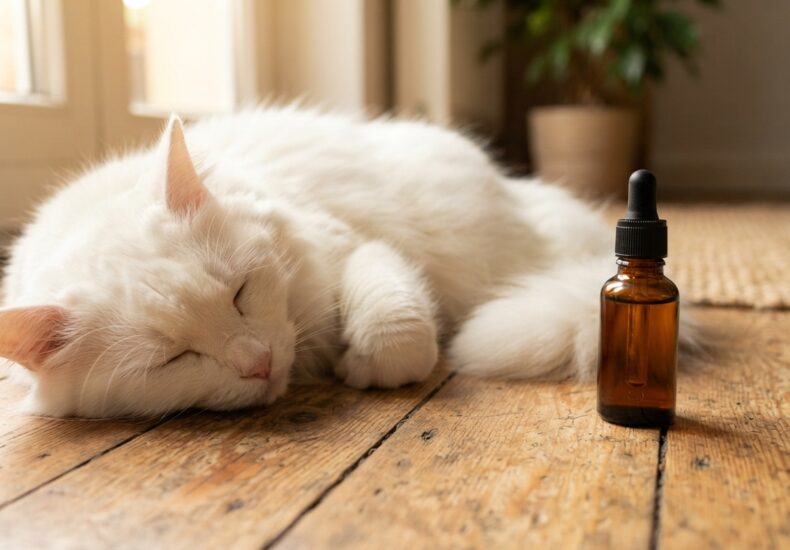
CBD Oil for Cats: Understanding Feline Wellness
A cat’s normal behavior can change for many reasons. Moving to a new home, introducing another pet, changing feeding schedules, or developing an age-related condition may affect appetite, activity, grooming, or sleep. These changes often lead owners to investigate nutritional supplements, including cannabinoid-based products.
Holistapet CBD Oil for Cats is one option that has attracted attention in the pet wellness market. CBD, or cannabidiol, is a compound found in cannabis and hemp plants. It does not produce the intoxicating effect associated with THC, but that does not mean every CBD product is appropriate for cats or that its proposed benefits have been established by clinical research.
Feline Wellness Starts With the Basics
Wellness for cats is built around routine care. A balanced diet, access to clean water, appropriate exercise, preventive veterinary visits, parasite control, dental care, and a safe environment have a stronger foundation in veterinary practice than newer supplement categories.
Supplements may be considered in certain circumstances, but they should fit into that broader care plan. A supplement cannot correct an unsuitable diet, replace treatment for an illness, or explain a sudden behavioral change.
Watch the Everyday Details
Cats are often good at hiding discomfort. Owners who know a cat’s normal habits can notice changes earlier.
Useful things to observe include:
- Appetite and feeding habits.
- Water intake.
- Frequency of urination.
- Stool consistency.
- Grooming.
- Sleeping patterns.
- Jumping and climbing.
- Interaction with people or other animals.
- Use of the litter box.
- Vocalization and hiding behavior.
A change in any one of these areas does not automatically mean that CBD is needed. It can be a reason to investigate what has changed.
For example, a cat that stops jumping onto a favorite chair may simply have less interest in the spot. It may also have joint discomfort. The difference cannot be determined from behavior alone.
Where CBD Fits Into the Conversation
CBD belongs to a group of compounds called cannabinoids. The body has an endocannabinoid system that helps regulate several physiological processes. Researchers have identified cannabinoid receptors and related pathways in cats and other mammals.
That biological connection has encouraged research into veterinary uses. Still, the presence of an endocannabinoid system does not establish that CBD treats a particular feline condition.
The scientific question is more specific: Does a particular CBD preparation, at a particular exposure level, provide a measurable benefit for a defined condition while remaining acceptably safe?
That question requires controlled research.
CBD Is Different From THC
CBD and THC are both cannabinoids, but they have different effects.
THC is the cannabinoid associated with the intoxicating effects of cannabis. CBD does not produce that same intoxicating effect. This distinction is especially relevant for pets because accidental exposure to cannabis products can create health concerns.
A CBD product should therefore be evaluated for its actual cannabinoid profile rather than being assumed safe because the label uses the word “hemp.”
What Researchers Have Learned About Cats
Research involving cats has started to provide information about how CBD and hemp-derived compounds behave in feline bodies.
A study published in Animals in 2019 examined the pharmacokinetics and safety of repeated oral CBD administration in healthy cats. Researchers measured CBD exposure and monitored the animals for adverse effects. The study offered preliminary safety information, but it was not designed to prove that CBD treats a specific disease.
Another study published in Frontiers in Veterinary Science evaluated a broad-spectrum hemp extract in cats. The researchers investigated pharmacokinetics and safety over the study period.
These studies are useful for understanding exposure, but they should not be turned into broad claims about every CBD oil on the market. Commercial products can differ in concentration, formulation, purity, and cannabinoid composition.
Why Formulation Matters
Two products can contain CBD but behave differently because their formulas are different.
Important variables include:
| Factor | Why it matters |
|---|---|
| CBD concentration | Determines the amount of CBD in a measured volume |
| Carrier oil | Changes the overall formulation |
| THC content | Helps distinguish the cannabinoid profile |
| Additional cannabinoids | May change the composition of the extract |
| Flavoring ingredients | May affect suitability for cats |
| Testing procedures | Provide information about purity and contents |
A bottle labeled “hemp extract” does not provide enough information by itself.
Evaluating Ingredients for Feline Use
Cats have different nutritional and metabolic characteristics from humans. A product designed for people should not automatically be given to a cat.
Flavorings deserve attention because pets may be more sensitive to certain ingredients. Essential oils are another area where caution is needed. Some essential oils can be toxic to cats, and concentrated exposure can be particularly problematic.
The safest product evaluation begins with the entire ingredient list.
Questions to Ask About a Product
Before purchasing a CBD product, check:
- Is the exact CBD concentration listed?
- Is the total amount of CBD provided?
- Is the complete ingredient list available?
- Does the product identify a batch or lot?
- Is independent laboratory testing available?
- Does the laboratory report correspond to the product being sold?
- Are THC levels disclosed?
- Are storage instructions provided?
A professional-looking package is not a substitute for verifiable information.
Understanding Laboratory Reports
Laboratory testing can help determine whether the contents of a product match its label. A certificate of analysis may identify CBD, THC, other cannabinoids, and selected contaminants.
The usefulness of the report depends on its quality. A laboratory report connected to a specific batch gives more information than a generic document posted without identifying which product was tested.
A COA also does not answer the medical question of whether CBD will help a particular cat. It answers a different question: what was detected in the tested sample?
That difference is important when evaluating online claims.
Testing Does Not Equal Clinical Proof
Suppose a laboratory confirms that an oil contains the amount of CBD listed on the bottle. That finding supports the accuracy of the product’s composition. It does not prove that CBD will reduce pain, improve anxiety, increase appetite, or treat another condition.
Clinical effectiveness requires research designed to measure those outcomes.
When Behavioral Changes Need Attention
Cats may behave differently when they are uncomfortable or ill. A cat that hides more frequently could be experiencing environmental stress, but pain or illness can produce similar behavior.
Changes in litter box habits deserve particular attention. Urinating outside the litter box can occur because of behavioral stress, but urinary disease is also possible.
Likewise, reduced grooming can have several explanations. Older cats may groom less because movement has become difficult, while illness can also change grooming behavior.
Avoid Treating Symptoms Without Finding the Cause
A supplement should not become a substitute for identifying the reason behind a new symptom.
Veterinary assessment can involve a physical examination and, when appropriate, laboratory testing or imaging. The correct approach depends on the cat’s age, symptoms, medical history, and examination findings.
This is especially relevant when the cat has stopped eating. Cats can develop serious health complications after prolonged periods without food, so persistent appetite loss deserves prompt veterinary attention.
CBD and Prescription Medications
Medication interactions are another consideration. CBD may influence enzymes involved in drug metabolism, which means the presence of other medications can affect the risk profile.
The veterinarian should know about every medication and supplement the cat receives. This includes products purchased without a prescription.
The same applies to cats with chronic illnesses. A product that appears simple may still require consideration of liver function, kidney health, current treatment, and nutritional status.
Keep a Complete Product Record
If a veterinarian approves consideration of a CBD product, keeping the packaging can be useful.
Record:
- Product name.
- CBD concentration.
- Batch number.
- Ingredient list.
- Date first used.
- Amount administered according to veterinary guidance.
- Any noticeable changes.
This information can help identify whether an observed reaction occurred after a particular product was introduced.
CBD Market Growth and What It Means
The commercial pet supplement market includes CBD alongside many other categories. Market reports vary in their definitions, geographic coverage, and methods of calculation, so reported market sizes can differ substantially.
Market demand can show that consumers are interested in a product category. It cannot establish that a product is medically effective.
Regulation provides another important piece of context. The U.S. Food and Drug Administration has stated that it has not approved cannabis for use in animals and has not approved cannabis-derived products for use in animals as drugs.
For consumers, that means a product sold through a pet retailer should not automatically be treated as an FDA-approved veterinary treatment.
A More Careful Way to Consider CBD
The decision process can remain straightforward.
First, identify the reason for considering CBD. Next, discuss the concern with a veterinarian, especially if the cat has a medical condition or takes medication. Then examine the product’s ingredients, cannabinoid concentration, and laboratory documentation.
If use is approved, monitor the cat rather than assuming that every change is caused by the product. A written record can make small differences easier to recognize.
CBD should remain one part of a larger feline wellness discussion. Nutrition, preventive care, environmental enrichment, dental health, parasite prevention, and appropriate veterinary treatment continue to provide the foundation for long-term care.
Final Thoughts
CBD research in cats is developing, but evidence for specific health benefits remains limited. A careful approach focuses on the cat’s overall health, product composition, available testing, possible interactions, and veterinary guidance before supplementation is considered.